If you're about to order an Uplift Desk for a team, stop and run the numbers first. The desk itself is rarely the problem. The mistakes live in the measurements, the model selection, and the cost model—and those mistakes are avoidable if you use the same calculators I now use for every order.
I've handled office furniture procurement for a 40-person product team for 8 years. I have personally made—and documented—13 significant mistakes, totaling roughly $27,000 in wasted budget. That list became our team's pre-order checklist. We've caught 47 potential errors with it in the past 18 months.
Why This Is Written by Someone Who Knows the Pain
In my first year (2017), I made the classic mistake: I measured the office footprint but not the path chairs needed to get around the desks. Twelve desk tops arrived and couldn't fit in the intended rows. The resale cost plus the rearrange time ate about $4,100.
The height-estimation disaster happened in September 2022. We ordered fixed-height desks for a room that had cable troughs in the floor. The desk columns hit the troughs. That $3,200 order went straight to the company's resale channel.
After the third rejected delivery in Q1 2024—this one because nobody had confirmed the loading dock hours—I created the pre-check list we still use. It's not genius. It's just a way to force the boring conversations before the invoice gets approved.
Last year, I had 2 hours to decide before the Q4 budget deadline. Normally I'd run a weighted scorecard for a week, but there was no time. I went with the Uplift V2 because we'd ordered it twice before without issues. That trust wasn't luck—it was the checklist.
Three Calculators That Actually Save Money
1. Rent vs Buy Calculator
Most buyers focus on per-unit pricing and completely miss the duration of the space. If my team is moving offices in a year, I use a rent vs buy calculator to see whether it's cheaper to lease furniture or buy it. The calculator won't make the decision for you, but it forces a useful question: how long will this office stay in its current form?
Buying Uplift desks for a 12-month lease is rarely smart. Buying them for a 5-year headquarters is a different equation. The rent vs buy calculator is basically a cash-flow tool with a little common sense attached.
2. Weighted Grade Calculator
The question everyone asks is 'which Uplift Desk model is best?' The question I ask is 'which criteria are most important to us?' Lead time, warranty, adjustability range, and color options are not equal. I use a weighted grade calculator: assign a weight to each criterion, score each desk option from 1 to 5, multiply, and add.
It sounds basic, but I've watched a 15% price difference disappear once warranty and lead time were weighted at 30%. The cheaper option had a 1-year warranty and a 6-week lead time. The Uplift V2 standing desk official specs came with a longer warranty and a faster ship window. The weighted grade calculator made the total cost of ownership clearer than the invoice ever could.
For most team orders, I now order from the Uplift V2 standing desk official listings on upliftdesk.com rather than a reseller. It makes warranty claims and returns much easier.
3. Dividend Calculator
This one sounds weird, but stay with me. I use a dividend calculator as a mental model for the recurring value of a sit-stand desk. If a desk cuts two uncomfortable 15-minute breaks per day, that's 30 minutes a day, 250 days a year, roughly 125 hours of 'found' energy per year. Plug those hours into a dividend calculator with a conservative hourly cost, and the ROI of an Uplift Desk looks very different from the sticker price.
I'm not claiming any medical outcome here. I'm just saying the recurring benefit compounds, and a calculator helps you see it. The 'dividend' is not a check in the mail; it's the difference between an afternoon that flows and an afternoon full of distractions.
What I Recommend for an Actual Uplift Desk Order
Once the calculators point you toward Uplift, the real work starts. Here's the checklist I refuse to skip:
- Measure the whole path, not just the desk footprint. Chairs, monitors, people walking behind. A desk that fits on paper can still make a room unusable.
- Confirm cable paths and outlet heights. This is where the $3,200 lesson came from. Power grommets are great until they line up with a floor cable trough.
- Check weight capacity against your monitor arm setup. Clamped monitor arms need a solid top edge. If you're ordering the Uplift bamboo standing desk, confirm the top material and edge shape will work with your clamps.
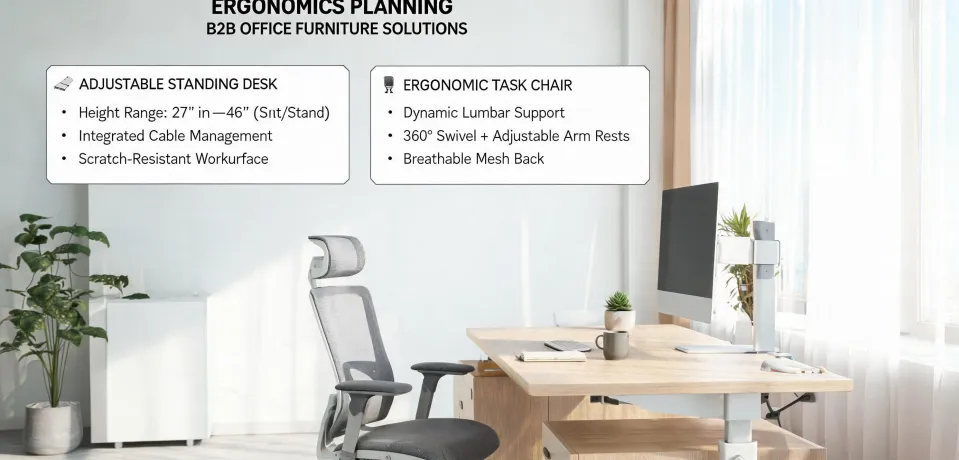
- Verify height range against your real people. The V2 official specs are generous, but don't assume. Ask the shortest and tallest person on the team to test an assembled unit if possible.
- Add the cable management accessories you actually need. A $45 cable tray sounds like an upsell until you see a server room nest forming under a desk.
The surprise wasn't the price of the Uplift V2 frame. It was how many hidden costs appeared when we tried to save money by skipping accessories and skipping the measurements.
One more honest moment: The numbers said go with a cheaper frame from another brand. My gut said the wobble at standing height would become the thing people complained about. I went with Uplift V2. Months later, a colleague's office got the cheaper frame, and the first review comment we saw was 'wobbles at standing height.' I can't run a controlled test on that, but I know my team wasn't complaining about the Uplift desks.
And I'm glad I double-checked the height range before ordering for everyone. We almost bought a standard range that would have left two shorter employees needing a footrest. The Uplift V2 official height range covered everyone without an extra kit. That was a lucky catch, not a smart guess.
When This Approach Does Not Apply
This checklist is not for every situation. If you're buying one desk for a home office, skip the weighted grade calculator and the rent vs buy math. Just buy what fits and move on.
If your office lease is month-to-month, don't sink capital into furniture unless you have a written plan to use it for years. If you need a desk for a documented medical condition, get a professional ergonomic assessment instead of relying on a vendor brochure. And always check the current specs, lead times, and warranty terms on the official Uplift Desk website before you commit—those details change.
Prices and product details are as of July 2025; verify current rates and specs before ordering.

Discuss this article with a workspace planner